



Understanding the Importance of Regular Dental Visits
Maintaining oral health is crucial not only for your smile but for your overall well-being. Regular dental visits play an integral role in preventing dental issues that can lead to more serious health problems later on. Whether you are looking to find a dentist or simply seeking more information about the benefits of routine check-ups, it’s essential to prioritize your dental health. When exploring options, visit a reliable platform like Dentee to help you connect with qualified dental professionals in your area.
Why You Should Schedule Routine Check-ups?
Routine dental check-ups are essential for early detection and prevention of dental problems. Many dental issues, such as gum disease and cavities, often go unnoticed until they become severe. By visiting your dentist regularly, you can:
- Identify issues before they escalate.
- Receive professional cleanings that remove plaque and tartar buildup.
- Get personalized advice on oral hygiene practices.
Scheduling regular check-ups also fosters a relationship with your dentist, which can enhance your overall dental experience and ensure your oral health is managed effectively.
Common Dental Issues That Require Professional Attention
Several dental issues can arise that may necessitate professional intervention, including:
- Cavities: This common problem results from plaque buildup and can be easily addressed with regular check-ups.
- Gum Disease: Early stages of this condition, such as gingivitis, can typically be treated with proper dental hygiene and professional care.
- Tooth Sensitivity: If you experience discomfort while eating or drinking hot or cold items, it’s crucial to consult with a dentist.
How Regular Visits Improve Oral Health
Regular dental visits significantly contribute to better oral health. They provide the necessary assessments required to maintain or improve your dental condition and can lead to:
- A decrease in dental emergencies and the associated costs.
- Improved aesthetic appearance due to regular cleanings and treatments.
- Enhanced overall health, since poor oral health has been linked to serious conditions such as heart disease.
Choosing the Right Dentist for Your Needs
Selecting the right dentist is a pivotal decision that can influence your dental health outcomes. Factors such as location, specialty, and personal comfort should guide your choice.
Factors to Consider When Selecting a Dentist
When choosing a dentist, consider the following factors:
- Qualifications and Experience: Ensure your dentist is qualified and has the necessary experience in dental care.
- Location: A conveniently located practice can make visiting the dentist much easier.
- Services Offered: Look for a dentist who provides a wide range of services, from routine cleanings to specialized treatments.
- Office Environment: Ensure the dental office is welcoming and equipped with the latest technology.
Benefits of Local Dentists vs. Specialized Clinics
Choosing between a local dentist or a specialized clinic can be pivotal:
- Local Dentists: Typically, they offer comprehensive care with a focus on community engagement and convenient, personalized service.
- Specialized Clinics: These may provide advanced treatments that general dentists do not offer, which is beneficial for complex dental issues.
Ultimately, your choice should align with your individual needs and preferences.
How to Assess Dentist Credentials and Reviews
Assessing a dentist’s credentials and reviews is crucial before making an appointment. You can start by checking:
- Licensure and certifications through state dental boards.
- Patient reviews on platforms like Google, Yelp, or social media.
- Recommendations from friends or family members.
The Appointment Process: What to Expect
Understanding what to expect during your dental appointment is vital for alleviating anxiety and ensuring a smooth experience.
Preparing for Your First Visit
Before your first appointment, gather important documents such as your insurance information and any medical records relevant to your dental health. Additionally, prepare a list of questions for your dentist regarding your oral health concerns or treatment options.
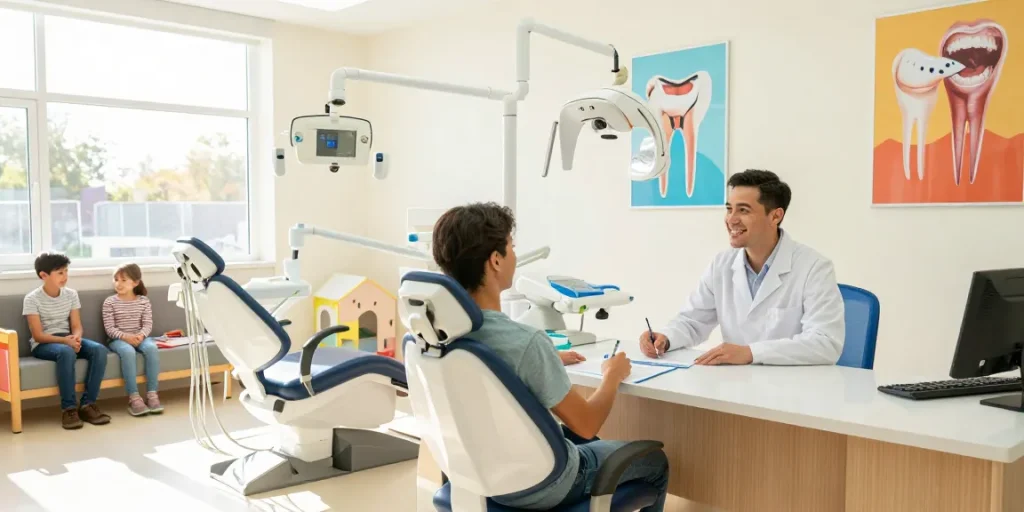
What Happens During a Dental Appointment?
During your appointment, the dentist will typically:
- Review your medical and dental history.
- Conduct a thorough examination of your teeth and gums.
- Perform any necessary cleanings or procedures.
Understanding this process can help ease any nervousness you may have about the visit.
Understanding Treatment Options Discussed
After your examination, your dentist will discuss any conditions discovered and outline a treatment plan. Common treatment options may include:
- Fillings: Used to treat cavities and restore functionality to the tooth.
- Root Canals: Necessary when a tooth’s pulp becomes infected.
- Cosmetic Procedures: Such as whitening, veneers, or crowns to improve the aesthetic appearance of your smile.
Emerging Trends in Dental Care for 2026
The dental industry is continuously evolving, with new trends shaping the way dental care is delivered. Here are some trends to watch:
Technology Innovations Impacting Dental Practice
Advancements in technology are transforming dental practices. Innovations like 3D printing, tele dentistry, and Artificial Intelligence (AI) are improving diagnosis accuracy and treatment efficiency.
Holistic Approaches and Their Growing Popularity
Patients are increasingly interested in holistic dental care, which focuses on overall health and wellness rather than just addressing symptoms. This includes personalized treatment plans that consider lifestyle factors.
Patient-Centric Care: The Future of Dentistry
As patient needs evolve, the focus is shifting towards creating a more patient-centric experience. This entails more personalized care, improved communication, and a greater emphasis on patient education.
FAQs About Dental Visits
How often should I visit the dentist?
Most dental professionals recommend visiting the dentist at least twice a year for routine check-ups and cleanings. However, individuals with specific dental needs may require more frequent visits.
What should I do if I’m scared to visit the dentist?
Dental anxiety is common. Consider discussing your fears with your dentist, who can offer solutions and techniques to help ease your anxiety. Additionally, seeking a dentist who specializes in treating anxious patients can make a significant difference.
Can I book an appointment online?
Yes, many modern dental offices offer online booking options. This allows you to schedule your appointment conveniently from the comfort of your home.
What to do in case of a dental emergency?
If you experience a dental emergency, contact your dentist immediately. Most dental offices set aside time for emergencies in their schedules. If you are unable to reach your dentist, consider visiting an emergency dental clinic.
Are dental visits covered by insurance?
Many dental insurance plans cover routine check-ups and cleanings. Be sure to check your specific plan for coverage details and any out-of-pocket expenses you may incur.



More Stories
Where to Find the Best MMJ Card Online Opportunities in 2026
Was passiert, wenn du die besten Praktiken für Living Soil für Cannabis ignorierst?
Hair Transplant Turkey Walkthrough: A Trusted Visual Step-by-Step Guide for Patients in 2026