


Understanding the Benefits of Home Cleaning Automation
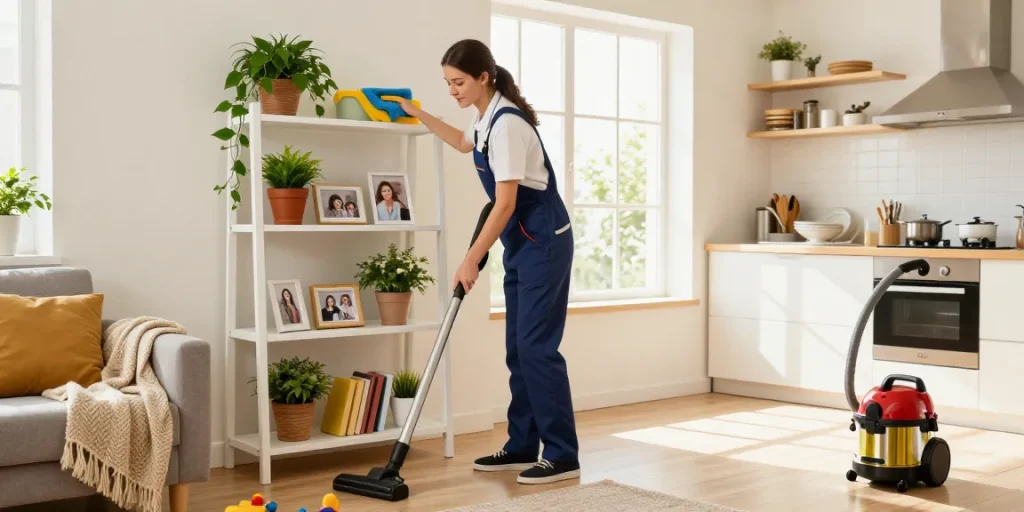
In today’s fast-paced world, where time is a premium commodity, home cleaning automation has emerged as a vital solution for homeowners seeking efficiency and convenience. By harnessing modern technology, cleaning automation not only simplifies routine tasks but also enhances overall living conditions. This article delves deep into the myriad benefits of automating your home cleaning processes, presenting a comprehensive overview that will help you understand why integrating these technologies can be a game-changer. If you’re looking for more insights, read more on our blog.
What is Cleaning Automation?
Cleaning automation refers to the use of advanced technologies, such as robotic cleaners, smart appliances, and integrated home systems, to perform cleaning tasks with minimal human intervention. These systems leverage sensors, artificial intelligence, and connectivity to streamline cleaning routines, ensuring that homes remain spotless with less effort from their occupants. By automating mundane tasks, homeowners can allocate their time and energy to more meaningful activities, enhancing both productivity and quality of life.
Top Benefits for Homeowners
- Time Savings: Automated cleaning systems significantly reduce the time spent on chores. Robotic vacuums, for instance, can navigate through your home, ensuring that floors are cleaned while you focus on other tasks.
- Consistency: Automation ensures that cleaning is performed consistently. With programmable schedules, robotic devices can clean daily or weekly, maintaining a tidy home without the need for constant oversight.
- Accessibility: For individuals with mobility challenges, cleaning automation provides an essential service, allowing them to keep their homes clean without physical strain.
- Smart Integration: Many cleaning automation devices can be integrated into existing home automation systems. This allows for coordinated cleaning schedules with other smart devices, enhancing overall home efficiency.
Cost vs. Time Efficiency Analysis
When evaluating cleaning automation, one must balance initial costs against long-term savings. While the upfront investment for robotic vacuum cleaners or smart cleaning systems can be significant, the time saved can translate into substantial financial benefits. For example, consider the hourly wage of your time; if cleaning automation saves you several hours each week, the device may pay for itself in reorganizing your schedule to focus on work or leisure activities. Additionally, reducing the need for professional cleaning services further contributes to cost efficiency over time.
Essential Tools and Technologies for Cleaning
Robotic Vacuum Cleaners: The Future of Floor Care
Robotic vacuum cleaners have revolutionized the way we think about floor care. Models such as the iRobot Roomba or the Neato Botvac utilize advanced navigation technology to efficiently cover your floor space. Equipped with smart mapping capabilities, these robots can adapt to their surroundings, avoiding obstacles and optimizing cleaning routes. Moreover, many now come equipped with mopping features, offering a comprehensive cleaning solution.
Smart Cleaning Supplies: Features and Recommendations
In addition to robotic systems, smart cleaning supplies are becoming increasingly popular. For example, smart spray mops can measure the amount of cleaning solution used per square foot, while self-cleaning litter boxes for pets ensure that cleaning is both automated and more hygienic. When selecting smart cleaning supplies, look for those that offer app connectivity, allowing you to monitor and control your cleaning tasks remotely.
Home Automation Systems Integration
Integrating cleaning automation into a broader home automation system can yield significant efficiencies. For instance, setting up your robotic vacuum to start cleaning when you leave the house can maximize time management. Additionally, some systems enable voice control or remote management through apps, allowing for seamless coordination with other smart home devices, such as thermostats and security systems, making your home truly smart.
Step-by-Step Guide to Implementing Cleaning Automation
Assessing Your Cleaning Needs
Before diving into the world of cleaning automation, it is essential to assess your specific cleaning needs. Consider factors such as the size of your home, types of floors, the presence of pets, and individual lifestyle routines. This assessment will guide your choice of products and technologies, ensuring that your investment delivers the desired results.
Choosing the Right Products for Your Home
Selecting the right products is crucial to maximizing the benefits of cleaning automation. Research various brands and their features, reading reviews and comparisons to identify which devices best meet your requirements. For larger homes, a robot vacuum with extended battery life and mapping technology may be ideal, while smaller apartments could benefit from compact, multi-functional devices.
Setting Up an Effective Cleaning Schedule
Once you have selected your devices, establishing an effective cleaning schedule is the next step. Use the devices’ scheduling features to set up cleaning times that align with your daily routines. For example, setting your robotic vacuum to clean while you are at work can ensure that your home is tidy by the time you return. Regularly review and adjust the schedule based on your lifestyle changes or seasonal needs.
Best Practices for Maintaining a Clean Home
Daily, Weekly, and Monthly Cleaning Checklists
Creating comprehensive cleaning checklists is vital for ensuring that all areas of your home are addressed over time. Daily tasks might include quick surface wipes and tidying up, while weekly tasks can involve vacuuming and mopping floors. Monthly tasks could focus on deeper cleaning, including bathrooms and kitchens. Establishing these routines helps maintain a clean home environment without overwhelming yourself.
How to Troubleshoot Common Cleaning Issues
Even with automation, issues may arise during cleaning. Common problems include robotic vacuums getting stuck or failing to dock properly. It is essential to familiarize yourself with troubleshooting techniques, such as ensuring that sensors are clean, mapping your rooms effectively, and maintaining device batteries. Regular maintenance of your devices will ensure optimal performance and longevity.
Integrating Family Involvement in Maintenance
Cleaning automation does not mean that family members should be entirely hands-off. Encouraging children and other family members to maintain routines, such as clearing the floor of toys or organizing shared spaces, can foster a sense of responsibility and teamwork while also enhancing the function of automated devices.
Future Trends in Home Cleaning Solutions
Innovations to Watch for in 2026
As we look ahead to 2026, several innovations are set to emerge in the cleaning automation landscape. Advanced AI systems are expected to be integrated into cleaning devices, allowing for even smarter navigation and adaptive learning capabilities. Moreover, new materials and technologies may lead to more effective and environmentally friendly cleaning solutions.
Environmental Sustainability in Cleaning Products
With growing awareness of environmental issues, the demand for sustainable cleaning solutions is on the rise. In 2026, we can expect a broader range of biodegradable and eco-friendly cleaning products, designed to work effectively without harming the environment. Homeowners will benefit from the dual advantage of cleaner homes and a healthier planet.
The Role of AI in Home Care
AI is transforming various sectors, and home care is no exception. Future cleaning devices are likely to incorporate more sophisticated AI algorithms, enabling them to learn from their surroundings and user preferences. This will allow for a more customized cleaning experience, optimizing how and when cleaning is performed based on the specific needs of each household.
What is the Impact of Automation on Traditional Cleaning Jobs?
While automation undoubtedly brings convenience to homeowners, it also raises questions about its impact on traditional cleaning jobs. As automation becomes more prevalent, the demand for human cleaners may shift, necessitating a reevaluation of job roles within the cleaning industry. Training for new skills and an emphasis on more personalized cleaning services may become essential as the industry adapts to this technological advancement.


More Stories
Professional Pond Cleaning Kent: The Secret Weapon Homeowners Are Using for Pristine Waters
Pond Clean Kent Forecast: What to Expect This Year
What Is Waterdrop AP117 Whole House Water Filter and Why Does It Matter in 2026?