
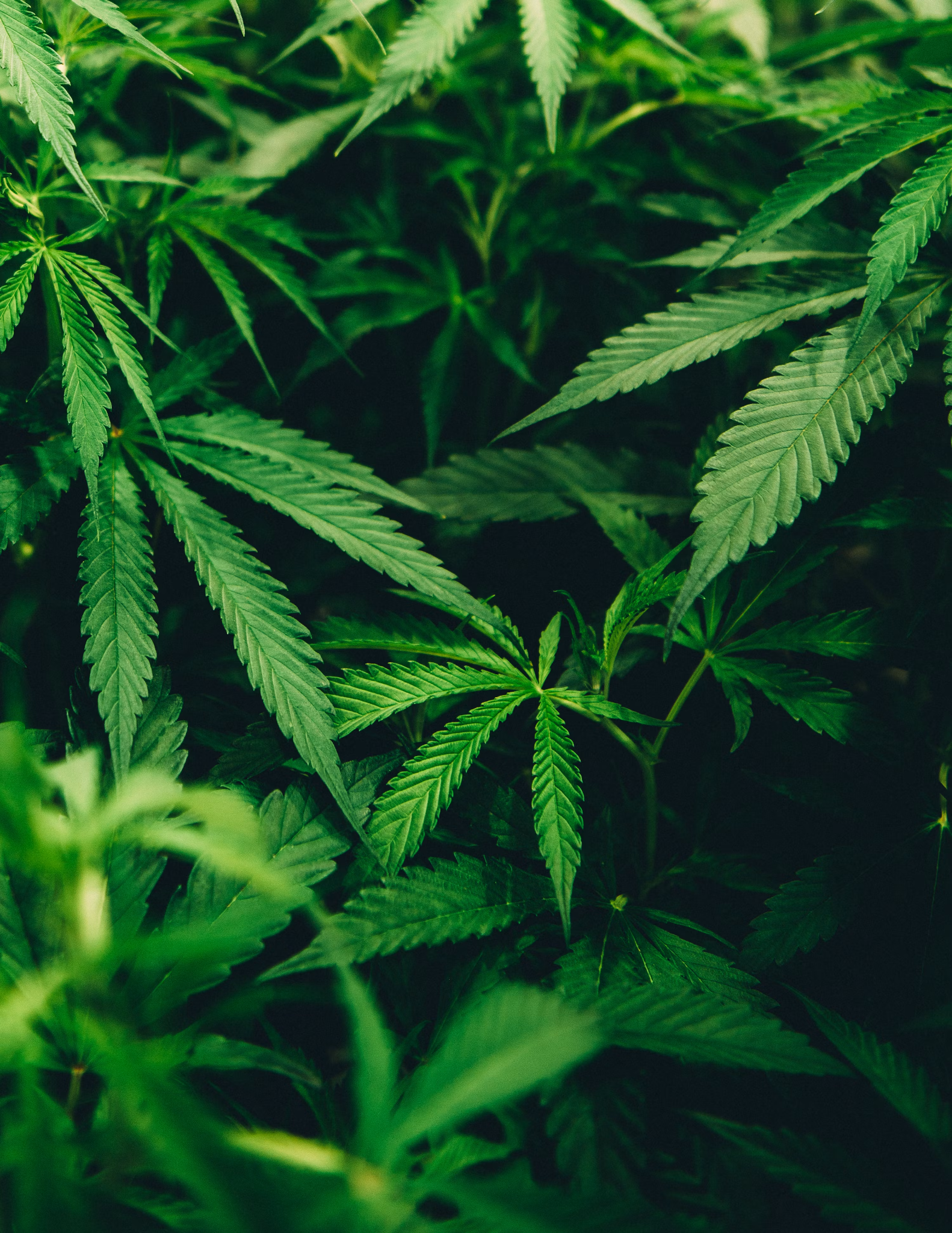
Weed has become one of the most widely discussed subjects in healthcare, public policy, and scientific research. As cannabis laws continue to evolve across different countries, more people are seeking reliable information about weed and its legal, medical, and recreational uses. Weed is derived from the cannabis plant and contains naturally occurring compounds that influence the body's endocannabinoid system. Understanding Easiest place to buy weed in Europe is important for consumers, patients, healthcare professionals, and travelers because regulations differ significantly around the world. This guide explores the history of cannabis, modern regulations, medical applications, recreational use, product safety, and the future of cannabis legislation to provide a comprehensive overview of this rapidly changing topic.
What Is Weed?
Weed is the common name for cannabis, a flowering plant that has been used for thousands of years. Historically, cannabis served medicinal, industrial, and cultural purposes in many civilizations. Today, it is primarily discussed in relation to healthcare and legal reforms.
Cannabis contains more than one hundred cannabinoids, but the two most important are THC (tetrahydrocannabinol) and CBD (cannabidiol). THC is responsible for the psychoactive effects associated with cannabis, while CBD does not produce intoxication and is widely researched for its potential therapeutic properties.
Common Cannabis Products
Modern cannabis products include:
- Dried cannabis flower
- Cannabis oils
- CBD oils
- Capsules
- Edibles
- Topical creams
- Cannabis concentrates
- Medical cannabis formulations
Each product category is regulated differently depending on local legislation.
The Evolution of Weed Laws
Cannabis regulations have changed dramatically over the past several decades. While many countries once prohibited all cannabis use, several governments now permit medical cannabis, recreational cannabis, or both under carefully regulated systems.
Recreational Legalization
Countries and regions that allow recreational cannabis generally regulate:
- Legal purchase age
- Possession limits
- Licensed retail stores
- Product quality standards
- Home cultivation rules
- Public consumption restrictions
Legalization does not eliminate regulation. Instead, governments oversee production, distribution, taxation, and consumer protection.
Medical Cannabis Programs
Medical cannabis programs provide patients with access to cannabis-based treatments under healthcare supervision.
Most programs require:
- Physician evaluation
- Medical diagnosis
- Prescription or authorization
- Licensed dispensary purchases
- Compliance with national regulations
The list of qualifying medical conditions varies by jurisdiction.
Countries Where Cannabis Remains Prohibited
Many nations continue enforcing strict cannabis laws. Possession or distribution may result in:
- Criminal prosecution
- Financial penalties
- Imprisonment
- Deportation for foreign visitors
Individuals should always understand local cannabis laws before traveling internationally.
Medical Uses of Weed
Medical cannabis has become an important area of scientific research. In countries where permitted, healthcare providers may recommend cannabis-based medicines for qualifying patients.
Chronic Pain
Some patients with chronic pain may benefit from cannabis-based therapies as part of comprehensive treatment plans under medical supervision.
Epilepsy
Certain CBD-based medications have received regulatory approval for treating rare forms of epilepsy in several countries.
Multiple Sclerosis
Cannabis-derived medicines may help reduce muscle stiffness and spasticity associated with multiple sclerosis.
Chemotherapy Support
Medical cannabis may help reduce chemotherapy-related nausea, vomiting, and appetite loss in certain patients.
Ongoing Research
Researchers continue studying cannabinoids for their potential role in treating additional medical conditions. Scientific evidence continues to grow, although recommendations vary depending on available research and national healthcare guidelines.
Recreational Weed in Modern Society
In jurisdictions where recreational cannabis is legal, adults may purchase cannabis products through licensed retailers.
Responsible recreational cannabis use includes:
Understanding Local Regulations
Consumers should know age restrictions, possession limits, and purchasing requirements.
Purchasing Regulated Products
Licensed retailers generally offer products that meet government testing and labeling standards.
Avoiding Impaired Activities
Cannabis may affect reaction time, judgment, and coordination. Driving or operating machinery while impaired may violate local laws and create safety risks.
Safe Storage
Cannabis products should always be stored securely and kept out of the reach of children and pets.
Weed Safety Standards
Legal cannabis markets emphasize consumer safety through strict quality control.
Laboratory Testing
Licensed cannabis products commonly undergo testing for:
- THC concentration
- CBD content
- Heavy metals
- Pesticides
- Mold
- Harmful bacteria
- Residual solvents
Testing helps ensure products meet regulatory standards before reaching consumers.
Packaging Requirements
Many legal markets require cannabis products to include:
- Child-resistant packaging
- Health warnings
- Ingredient information
- Cannabinoid percentages
- Batch numbers
- Manufacturing dates
- Expiration information
These standards improve transparency and consumer confidence.
Benefits and Risks of Weed
Like many regulated substances, cannabis presents both potential benefits and possible risks.
Potential Benefits
Research and approved medical uses suggest cannabis may:
- Help manage chronic pain
- Reduce chemotherapy-related nausea
- Improve appetite in qualifying patients
- Reduce muscle spasticity
- Expand treatment options for certain medical conditions
Potential Risks
Potential risks may include:
- Temporary cognitive impairment
- Reduced coordination
- Short-term memory effects
- Anxiety in some individuals
- Dependence for certain users
- Legal consequences where cannabis remains prohibited
Understanding both benefits and risks supports informed decision-making.
Weed and International Travel
Travelers often misunderstand cannabis laws when crossing borders.
Even if cannabis is legal in both the departure and destination locations, transporting cannabis internationally may still violate customs regulations or international agreements.
Before traveling, individuals should verify:
- Customs rules
- Airline policies
- Medical cannabis documentation requirements
- Local possession laws
- Import and export restrictions
Careful planning helps avoid legal complications.
The Future of Weed Regulation
Cannabis legislation continues evolving as governments evaluate scientific research and public health evidence.
Future developments may include:
Expanded Medical Access
Additional countries may introduce regulated medical cannabis programs.
Improved Product Standards
Governments continue strengthening testing, labeling, manufacturing, and licensing requirements.
Increased Scientific Research
Researchers continue exploring cannabinoids and their potential therapeutic applications.
Better Consumer Education
Educational initiatives help consumers understand responsible cannabis use, legal compliance, and product safety.
Conclusion
Weed continues to influence healthcare, public policy, scientific research, and consumer markets around the world. As cannabis regulations evolve, understanding legal requirements, medical applications, recreational use, and product safety becomes increasingly important. Whether discussing patient access, scientific research, or responsible consumption, education remains the key to informed decision-making. By staying updated on local laws and relying on evidence-based information, individuals can better understand cannabis and its role in modern society.
Frequently Asked Questions
1. What is weed?
Weed is a common name for cannabis, a plant containing cannabinoids such as THC and CBD that interact with the body's endocannabinoid system.
2. Is weed legal everywhere?
No. Cannabis laws vary widely by country, state, and region. Some allow medical or recreational use, while others continue to prohibit cannabis.
3. What are the medical uses of cannabis?
Depending on local regulations, cannabis may be prescribed for conditions such as chronic pain, epilepsy, multiple sclerosis, and chemotherapy-related nausea.
4. Why is cannabis testing important?
Laboratory testing helps verify cannabinoid content and screens for contaminants like pesticides, heavy metals, mold, and harmful bacteria, improving product safety.
5. What should people know before using cannabis?
Individuals should understand local laws, purchase products only from licensed sources where legal, use cannabis responsibly, avoid impaired driving, and consult healthcare professionals before using cannabis for medical purposes.