
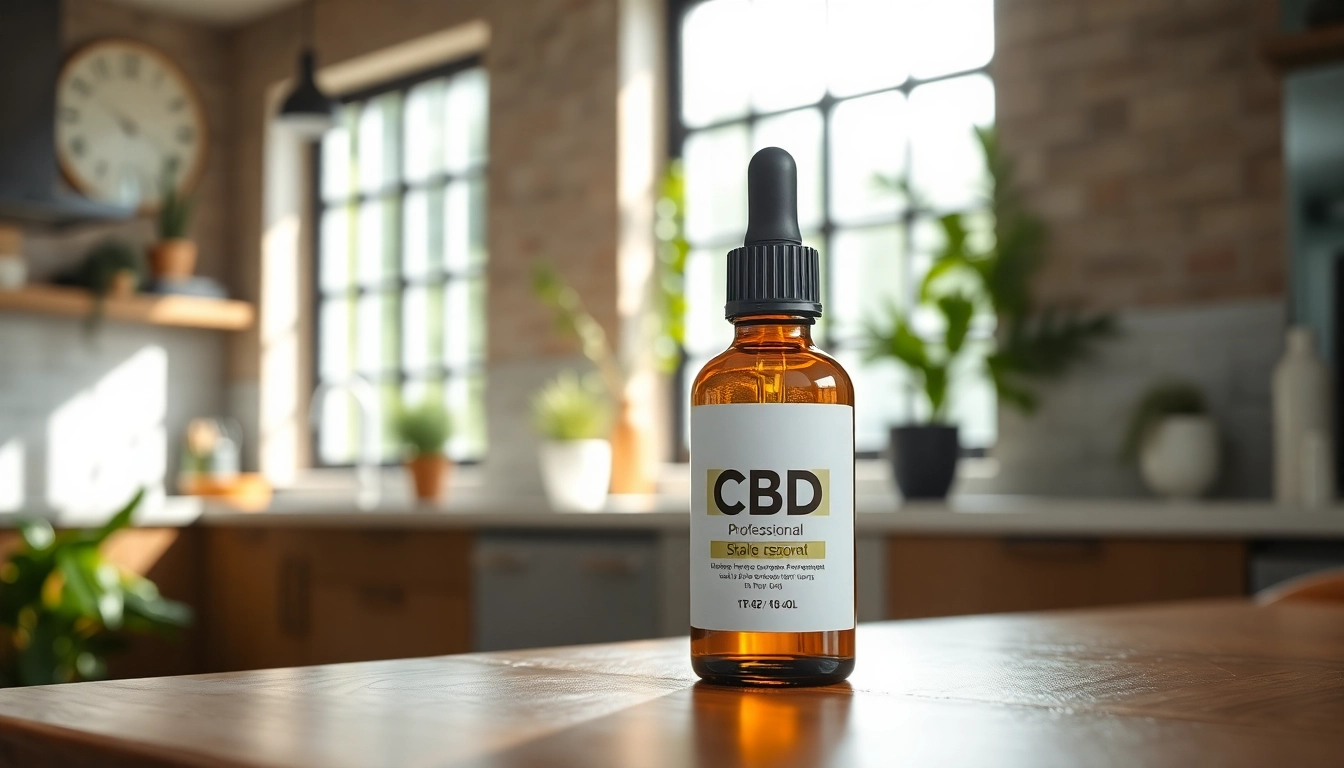
The Basics of CBD
What is CBD?
Cannabidiol, commonly referred to as CBD, is one of the many chemical compounds known as cannabinoids found in the Cannabis sativa plant. Unlike its more famous counterpart, tetrahydrocannabinol (THC), CBD is non-psychoactive, meaning it does not induce the 'high' commonly associated with cannabis use. CBD is primarily derived from hemp, a variety of Cannabis sativa cultivated specifically for industrial uses and low in THC content—less than 0.3%—which makes it a suitable and legal option for consumers.
As cannabis culture has evolved, CBD has garnered attention for its potential therapeutic benefits. From being a naturally occurring substance used in traditional medicine to becoming the focus of modern scientific research, CBD is emerging as a beacon of wellness in a world increasingly inclined towards conscientious health choices.
Key Characteristics of CBD
CBD is notable for its variety of medicinal properties. Its chemical structure allows it to interact with the body’s endocannabinoid system (ECS), a complex system that helps regulate various functions such as sleep, mood, appetite, and pain sensation. Key characteristics of CBD include:
- Non-psychoactive: Unlike THC, CBD does not produce mind-altering effects.
- Wide Applications: Clinical studies suggest CBD can help manage various conditions, from anxiety and chronic pain to epilepsy and sleep disorders.
- Natural and Well-tolerated: Generally considered safe, with most users reporting few side effects.
How CBD Differs from THC
Although both CBD and THC derive from the cannabis plant, they differ regarding how they interact with the body. THC binds directly to the CB1 receptors in the brain, resulting in psychoactive effects. In contrast, CBD influences various receptors in the ECS without directly binding to them, which accounts for its wide-ranging therapeutic properties. This mechanism allows CBD to mitigate some of the more adverse effects of THC, making it appealing to users seeking relief without high sensations.
Health Benefits of CBD
CBD for Anxiety Relief
Anxiety disorders are among the most prevalent mental health conditions worldwide. Recent studies have indicated that CBD can help reduce anxiety. Research shows that CBD can affect serotonin levels in the brain—a neurotransmitter that plays a critical role in mood regulation. Its anxiolytic properties may help diminish the acute emotional response that anxiety produces.
For example, a study found that CBD significantly decreased anxiety and discomfort in public speaking scenarios, suggesting its efficacy in social anxiety geared toward performance-related situations.
Managing Chronic Pain with CBD
Chronic pain is another condition increasingly managed with CBD. Its anti-inflammatory properties may help alleviate pain associated with conditions like arthritis, multiple sclerosis, and fibromyalgia. The cannabinoid interacts with receptors in the body to reduce the perception of pain, making it a potential alternative to traditional analgesics, which often come with a risk of dependency or side effects.
Moreover, CBD's potential to improve sleep quality reflects a secondary advantage; restful sleep can further enhance the body’s natural pain-management processes.
CBD’s Role in Sleep Improvement
Sleep disorders affect millions of people across demographics, significantly impacting mental health and overall well-being. Early studies suggest that CBD may help improve sleep quality by addressing issues such as anxiety and chronic pain that disrupt restful sleep. CBD may also affect the sleep-wake cycle, promoting more regular sleep patterns.
Users report that CBD assists in falling asleep more efficiently and staying asleep longer, thus making it an appealing option for those seeking non-pharmaceutical solutions for sleep-related issues.
Potential Side Effects of CBD
Common Side Effects
While many users tolerate CBD well, some may experience side effects. Commonly reported adverse effects include:
- Dry mouth
- Fatigue
- Drowsiness
- Changes in appetite
- Diarrhea
Such side effects are typically mild and diminish over time as the body adjusts to the cannabinoid. However, users should start with a lower dose to assess individual tolerance levels.
Interactions with Other Medications
Caution is critical when considering CBD in conjunction with other medications. CBD can interact with various pharmaceuticals by affecting how medications are metabolized in the liver, particularly those with a 'grapefruit warning.' Thus, it’s essential for individuals using prescription drugs to consult healthcare providers before incorporating CBD into their regimen.
Who Should Avoid CBD?
While CBD is widely regarded as safe, certain populations should exercise caution. Pregnant and breastfeeding women, as well as individuals with specific medical conditions or those taking particular medications, should consult healthcare professionals about potential risks. Additionally, individuals with liver disorders may need to avoid CBD due to its potential effects on liver enzyme activity.
How to Use CBD Effectively
Different Forms of CBD Products
CBD comes in various forms, providing consumers with flexible options tailored to their preferences and needs. Common forms include:
- Oils and Tinctures: These concentrated liquids can be taken sublingually or added to food and beverages for ease of use.
- Capsules: Convenient for precise dosages, these resemble standard supplements.
- Edibles: Candy, gummies, or beverages infused with CBD are particularly popular for those who prefer taste-oriented consumption.
- Topicals: Creams and balms are intended for localized relief, often used for muscle pain or joint discomfort.
- Vaping Products: Inhalation offers rapid effects, though it might pose respiratory risks.
Recommended Dosages
Dosing CBD can be a complex endeavor due to the lack of standardization in products. Factors such as individual body chemistry, specific health conditions, and the desired effect all play crucial roles in determining the right dosage. Generally, it's advisable to begin with a low dose—typically 5 to 10 mg—and gradually increase until the desired effect is achieved. It's best to keep track of intake and consult healthcare providers for personalized recommendations.
When to Consult a Healthcare Provider
Though many opt to try CBD independently, consulting healthcare providers, particularly for those with existing medical conditions or those on medications, is recommended. A professional can provide useful insights into optimal dosing and product selection, considering individual health needs and mitigating potential side effects or interactions.
The Future of CBD Research
Current Trends in CBD Research
Scientific research on CBD is rapidly evolving. Current trends revolve around understanding its pharmacodynamics, applications for various health conditions, and the long-term effects of its use. Researchers are focusing on optimizing dosing methods, exploring new applications in mental health, cancer treatment, and potential neuroprotective benefits.
Promising Studies and Findings
Promising studies highlight the cannabinoid's possible benefits beyond pain management and anxiety relief, addressing conditions such as PTSD, inflammatory diseases, and even metabolic disorders. The exploration of CBD’s effects on neurodevelopmental conditions like autism spectrum disorder is also gaining attention.
Continuing studies are likely to bolster the scientific rationale for CBD, contributing to its acceptance as a mainstream therapeutic option.
Possible Regulatory Changes
As the popularity of CBD continues to grow, so too will regulatory scrutiny. Future regulations will likely focus on product consistency, safety, and labeling accuracy—necessary steps for promoting consumer trust. The FDA is actively working on addressing questions about CBD’s safety and efficacy, which can lead to more defined regulations and possibly pave the way for broader medicinal use.