
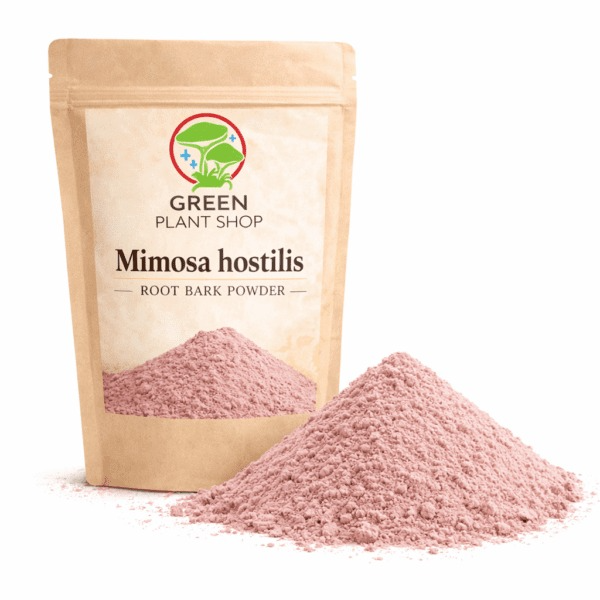
Mimosa Hostilis Root Bark has a fascinating place within discussions of Mexican botanical heritage, regional plant knowledge, and traditional relationships with native flora. Mimosa Hostilis Root Bark is associated with Mimosa tenuiflora, a thorny leguminous tree found across parts of Mexico and other areas of tropical and subtropical Latin America. Mimosa Hostilis Root Bark is especially interesting from a botanical perspective because the plant has adapted to challenging environments while becoming connected with local ecological knowledge, traditional crafts, and natural-resource practices.
Understanding the Botanical Identity
From Mimosa Hostilis to Mimosa tenuiflora
The name Mimosa hostilis is an older botanical name that is still widely encountered in commercial and historical literature. Modern botanical references commonly recognize the species as Mimosa tenuiflora. Understanding this naming difference is important when researching Mimosa Hostilis Root Bark because older publications, suppliers, ethnobotanical records, and contemporary sources may use different terminology for the same plant.
Mimosa tenuiflora belongs to the Fabaceae family, commonly known as the legume family. It is a resilient woody plant characterized by compound leaves, small flowers, thorny branches, and strong regenerative capabilities. Its ability to grow in dry and seasonally challenging environments makes it an important example of botanical adaptation.
A Resilient Tree of Tropical Landscapes
The plant is particularly notable for its relationship with disturbed landscapes and dry woodland ecosystems. Its roots, stems, and branches can contribute to soil stabilization, while its growth pattern allows it to persist in areas where other vegetation may struggle.
For anyone studying Mimosa Hostilis Root Bark, the broader plant is more important than focusing exclusively on the root. Examining the entire species provides a clearer understanding of its ecological role, geographical distribution, and cultural significance.
Mexican Botanical Heritage
Traditional Knowledge and Local Plant Use
Mexico has an exceptionally rich history of plant knowledge. Indigenous and rural communities have developed detailed understandings of local trees, herbs, fibers, fruits, and other botanical resources over generations. Within this wider tradition, Mimosa tenuiflora represents an example of how native plants can become connected with practical knowledge and regional customs.
Historical references to Mimosa Hostilis Root Bark should therefore be considered within their cultural context rather than viewed simply as descriptions of a commercial botanical material. Traditional plant knowledge often includes observations about habitat, seasonal growth, wood characteristics, and sustainable resource use.
The Importance of Ethnobotanical Research
Ethnobotany examines relationships between people and plants. Researchers may investigate how communities identify species, understand their habitats, use plant materials, and pass botanical knowledge between generations.
Mimosa Hostilis Root Bark is frequently mentioned in ethnobotanical discussions because the species has a documented history in different parts of Latin America. However, historical traditions can vary considerably by region and community. Responsible research should distinguish between documented practices, later interpretations, and modern commercial claims.
Ecological Characteristics of Mimosa tenuiflora
Adaptation to Dry Conditions
One of the most remarkable characteristics of Mimosa tenuiflora is its resilience. The species can tolerate relatively dry conditions and is capable of regenerating after environmental disturbance. These characteristics have attracted interest from botanists and ecological restoration researchers.
The plant's extensive root system can also contribute to its ability to survive seasonal changes. This ecological resilience helps explain why Mimosa Hostilis Root Bark is often discussed alongside topics such as tropical woodland conservation, soil protection, and sustainable harvesting.
Role in Local Ecosystems
Native trees can provide shelter and habitat for insects, microorganisms, and other organisms. Leguminous species can also play important roles in nutrient cycling and landscape recovery.
Rather than considering Mimosa Hostilis Root Bark as an isolated commodity, it is more useful to understand it as one part of a living ecosystem. Protecting mature trees, encouraging regeneration, and avoiding unnecessary damage to natural populations are important elements of responsible botanical stewardship.
Sustainable Botanical Harvesting
Why Sustainability Matters
Growing international interest in botanical materials can place pressure on naturally occurring plant populations. Responsible sourcing therefore requires attention to where plant materials originate, how they are collected, and whether harvesting practices allow the species to regenerate.
When discussing Mimosa Hostilis Root Bark, sustainability should include respect for local ecosystems and communities. Harvesting should never be treated as an unlimited extraction process. Botanical resources are connected to landscapes, biodiversity, and the livelihoods of people who live near them.
Responsible Sourcing Principles
A responsible botanical supply chain can include accurate species identification, transparent sourcing information, appropriate harvesting practices, and consideration for local environmental regulations. Suppliers and researchers should also avoid making unsupported claims about geographic origin or traditional authenticity.
For Mimosa Hostilis Root Bark, transparency is particularly valuable because botanical names can change over time and commercial descriptions may differ between markets. Clear labeling can help consumers, researchers, and conservation professionals understand what plant material is being discussed.
Cultural Heritage and Modern Interest
Preserving Botanical Knowledge
Traditional ecological knowledge is an important part of cultural heritage. Information about native plants can include local names, seasonal observations, habitat recognition, and methods of caring for useful species.
Modern interest in Mimosa Hostilis Root Bark should not overshadow this cultural dimension. Learning about the plant's history can encourage greater appreciation for Mexican biodiversity and the communities that have developed relationships with regional flora.
Avoiding Cultural Oversimplification
It is also important to avoid presenting Mexico as having one single botanical tradition. The country contains numerous ecological regions and diverse cultural communities, each with distinctive histories and relationships with plants.
Consequently, accounts of Mimosa Hostilis Root Bark should acknowledge geographical and cultural variation. Good botanical writing distinguishes established scientific information from folklore, commercial descriptions, and claims that require additional historical evidence.
Botanical Identification and Research
Scientific Naming
Scientific names provide an important foundation for reliable botanical research. Because Mimosa hostilis and Mimosa tenuiflora appear in different sources, researchers should compare synonyms when reviewing older literature.
Accurate identification is particularly important when studying Mimosa Hostilis Root Bark because several plants can have similar common names or commercial descriptions. Botanical documentation, herbarium records, and reputable scientific references can help establish species identity.
Studying the Whole Plant
Research into the species can cover its morphology, ecology, geographical range, regeneration, soil relationships, and interactions with surrounding vegetation. Such research provides a broader perspective than focusing on one plant part.
A whole-plant approach also supports better conservation decisions. Understanding how a species reproduces and responds to environmental disturbance can help inform responsible resource management.
The Future of Mexican Botanical Heritage
The story of Mimosa Hostilis Root Bark is ultimately connected to a larger conversation about biodiversity, cultural heritage, and responsible use of natural resources. Mexico's botanical diversity provides opportunities for scientific research, ecological restoration, education, and cultural preservation.
Future interest in Mimosa Hostilis Root Bark should therefore be accompanied by stronger emphasis on traceability, conservation, accurate taxonomy, and respect for traditional knowledge. Sustainable botanical practices can help ensure that interest in native species does not undermine the ecosystems in which those species naturally occur.
For educators, researchers, and environmentally conscious botanical enthusiasts, Mimosa Hostilis Root Bark offers an opportunity to explore the relationship between science, history, culture, and conservation. The plant's story extends beyond a single commercial material and reflects the broader importance of protecting native flora.
Frequently Asked Questions
1. What is Mimosa Hostilis Root Bark?
Mimosa Hostilis Root Bark refers to the bark of the roots of a plant historically known as Mimosa hostilis and commonly identified today as Mimosa tenuiflora. The species belongs to the legume family and occurs naturally in parts of Mexico and Latin America.
2. Is Mimosa hostilis the same as Mimosa tenuiflora?
Yes. Mimosa hostilis is a botanical synonym associated with the species now commonly recognized as Mimosa tenuiflora. Different names may appear in historical, scientific, ethnobotanical, and commercial sources.
3. Why is Mimosa Hostilis Root Bark associated with Mexican heritage?
The species has a long history within Latin American ethnobotanical literature and is connected with regional plant knowledge. Its significance should be understood alongside Mexico's broader traditions of botanical knowledge and ecological diversity.
4. How can botanical sourcing be more sustainable?
Sustainable sourcing involves accurate species identification, transparent supply chains, respect for environmental regulations, protection of natural populations, and harvesting practices that allow plant communities to regenerate.
5. Why is botanical conservation important?
Conservation protects biodiversity, ecosystems, genetic resources, and cultural knowledge. For species such as Mimosa tenuiflora, responsible stewardship can help maintain healthy natural populations while supporting scientific and educational interest.
Conclusion
Mimosa Hostilis Root Bark provides a starting point for understanding a much larger botanical story involving Mexican landscapes, scientific taxonomy, ethnobotanical knowledge, and environmental stewardship. The species known today as Mimosa tenuiflora demonstrates remarkable ecological resilience and has become an important subject in discussions about Latin American plant heritage.
By approaching Mimosa Hostilis Root Bark through the combined perspectives of botany, history, culture, and conservation, readers can gain a more balanced understanding of the plant. Responsible research should prioritize accurate identification, credible historical information, sustainable resource management, and respect for local communities. This approach helps preserve both the natural heritage of the species and the cultural knowledge surrounding Mexico's remarkable botanical diversity.