
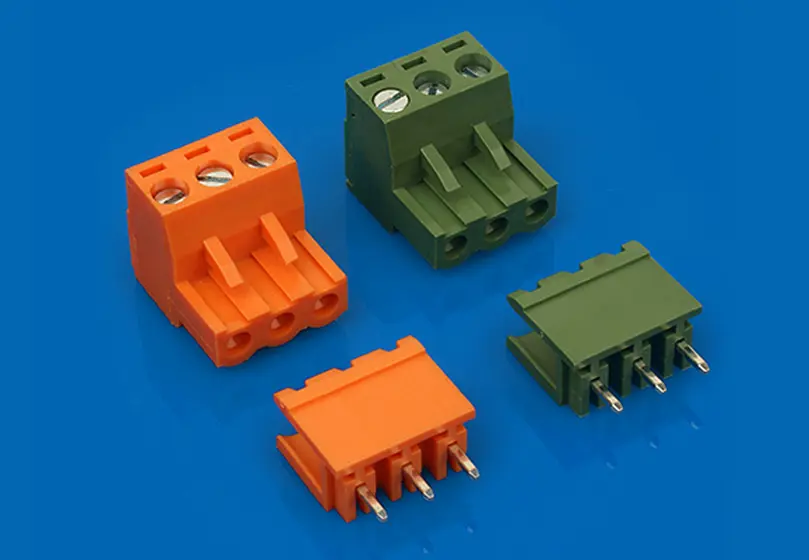
Modern industrial equipment depends on reliable electrical connections to ensure continuous operation and maximum productivity. Manufacturing plants, industrial automation systems, energy facilities, transportation equipment, and processing industries all require dependable electrical components that can withstand demanding operating conditions. Even a minor connection failure can lead to equipment downtime, increased maintenance costs, and reduced operational efficiency.
Industrial connectors are specifically designed to provide secure electrical and signal connections in harsh environments. By maintaining stable performance under vibration, temperature fluctuations, moisture, and dust, these automotive wire connectors a critical role in improving equipment reliability and extending system lifespan.
Why Industrial Connectors Are Essential
Industrial environments expose electrical systems to challenging conditions that standard connectors may not withstand. Heavy machinery, constant vibration, humidity, chemicals, and extreme temperatures can affect electrical performance if connections are not properly designed.
High-quality industrial connectors help maintain uninterrupted power and data transmission while protecting equipment from connection failures. Their durable construction supports reliable operation even in the most demanding applications.
Benefits of Industrial Connectors
Industrial connectors offer several important advantages that contribute to dependable equipment performance.
Improved Operational Reliability
Secure electrical connections ensure stable power delivery and accurate signal transmission, helping equipment operate efficiently with minimal interruptions.
Enhanced Durability
Industrial connectors are designed to resist vibration, corrosion, dust, moisture, and mechanical stress, making them suitable for harsh working environments.
Reduced Maintenance Costs
Reliable connectors reduce the likelihood of connection failures, minimizing equipment downtime and lowering long-term maintenance expenses.
Common Applications
Industrial connectors are widely used in:
- Industrial automation systems
- Manufacturing equipment
- Renewable energy installations
- Construction machinery
- Agricultural equipment
- Telecommunications infrastructure
These industries rely on dependable electrical connection technologies to maintain productivity and support continuous operations.
Choosing the Right Connection Components
Selecting suitable industrial connectors requires evaluating electrical capacity, environmental conditions, durability, and application requirements. High-quality connection components improve both equipment performance and long-term reliability.
For industrial and automotive electrical systems, automotive wire connectors provide dependable electrical connections that perform consistently under vibration and demanding operating conditions. Likewise, wire connectors terminals create secure interfaces between cables and equipment, ensuring efficient power distribution and reliable signal transmission across a wide range of industrial applications.
Conclusion
Industrial connectors are essential for improving equipment reliability by providing secure electrical connections that withstand challenging operating environments. Their ability to support stable power and data transmission helps businesses reduce downtime, improve productivity, and extend equipment lifespan.
Whether using automotive wire connectors for reliable wiring assemblies or wire connectors terminals for secure electrical interfaces, selecting high-quality connection components contributes to safe, efficient, and dependable industrial systems. As industries continue to adopt advanced automation and smart technologies, durable industrial connectors will remain a fundamental part of reliable electrical infrastructure.