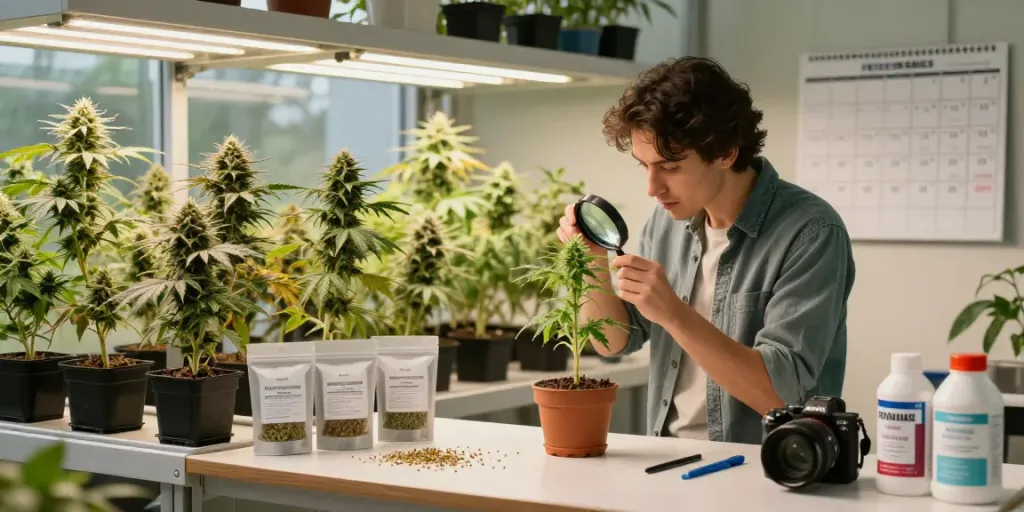
Understanding CBD and its Health Benefits
As the world continues to embrace natural remedies, CBD (cannabidiol) has carved a prominent niche within the wellness landscape. Derived from the hemp plant, CBD offers a range of therapeutic benefits without the intoxicating effects often associated with THC (tetrahydrocannabinol). From stress relief to pain management, more individuals are turning to this versatile compound as a complementary approach to their health and wellness routines. For those seeking to explore these benefits further, Buy weed online usa provides a convenient way to access quality CBD products. Understanding how CBD interacts with the body can empower users to make informed choices.
What is CBD? The Basics Explained
CBD is one of over a hundred active compounds known as cannabinoids found in the cannabis plant. Unlike THC, CBD does not induce psychoactive effects, making it appealing to those who wish to avoid the “high.” It interacts predominantly with the endocannabinoid system (ECS), which plays a key role in maintaining homeostasis and regulating various bodily functions such as mood, sleep, appetite, and pain sensation.
Health Benefits of CBD for Wellness
Extensive research has begun to highlight the potential health benefits of CBD, including:
- Anxiety Relief: CBD has been reported to reduce anxiety in both humans and animals, offering a calming effect without sedation.
- Pain Management: Studies have shown that CBD may help alleviate chronic pain by influencing the activity of endocannabinoids in the body.
- Improved Sleep Quality: By addressing anxiety and pain, CBD may enhance sleep quality and help manage insomnia.
- Neuroprotective Properties: Preliminary studies suggest CBD may benefit neurological conditions, offering protection and improved function.
CBD vs. THC: Key Differences
While both CBD and THC arise from the cannabis plant, they offer distinctly different effects. THC is associated with psychoactive effects, which can lead to altered perceptions and a “high.” In contrast, CBD's primary appeal lies in its potential therapeutic effects without intoxication. Importantly, CBD derived from hemp contains less than 0.3% THC, complying with federal regulations established under the 2018 Farm Bill.
Types of CBD Products Available
Oils and Tinctures: Versatile Options
CBD oils and tinctures are among the most popular products on the market. Available in various concentrations, these products can be administered sublingually, allowing for rapid absorption into the bloodstream. Users can easily adjust their dosage by varying the amount they take, making it a flexible option.
Edibles and Gummies: Enjoyable Alternatives
Edibles, including gummies, capsules, and infused beverages, offer a tasty and discreet way to consume CBD. While they may take longer to take effect due to the digestive process, their effects can last longer, providing sustained relief throughout the day.
Topicals and Creams: Targeted Benefits
Topical products, such as creams and balms, are designed for localized relief. When applied directly to the skin, CBD interacts with cannabinoid receptors present in the skin, providing targeted relief from pain and inflammation.
How to Determine the Right Dosage
Understanding Dosage Calculations
Finding the right CBD dosage can vary significantly based on individual factors. Dosage calculations often depend on personal weight, the concentration of the product, and the desired effects. A common recommendation is to start with a low dose and gradually increase until the optimal effect is achieved.
Titration: Finding Your Perfect Dose
Titration involves adjusting the dose until the desired effects are noted. Users may begin with a low dose and increase incrementally, observing the body's response. This method helps mitigate potential side effects and determines the most effective dosage for individual needs.
Signs of Optimal Effectiveness
Optimal effectiveness can manifest as reduced symptoms such as anxiety, pain relief, and improved focus. Users should remain mindful during their titration process, as effects may vary based on various factors including body chemistry and the product's bioavailability.
Quality and Safety: What to Look For
Reading Certificates of Analysis (COA)
Third-party lab testing is essential for assuring product quality and safety. Each product should come with a Certificate of Analysis (COA), detailing cannabinoid concentration, terpenes, and the presence of contaminants such as pesticides, heavy metals, and solvents. Consumers should ensure the products they purchase have been rigorously tested.
Lab Testing and What It Means
Lab testing not only confirms product potency but also ensures safety and transparency. Users should look for products from brands that prioritize lab testing to validate their claims and product quality.
Understanding Cannabinoid and Terpene Profiles
Understanding the cannabinoid and terpene profiles of a product can inform health-conscious decisions that enhance the overall experience. Cannabinoids produce various effects, while terpenes contribute unique aromatic qualities and may also provide additional therapeutic benefits.
Legal Considerations in Buying CBD Online
CBD Legality in 2026: What You Need to Know
Under the 2018 Farm Bill, hemp-derived CBD with less than 0.3% THC is federally legal in the United States. However, state regulations can vary, and customers should verify their local laws before purchasing. As legislation evolves, keeping abreast of changes is crucial for compliance.
Staying Compliant with Regulations
To remain compliant with regulations, brands must adhere to strict manufacturing practices and ensure accurate labeling of cannabinoid content. Consumers are encouraged to purchase from reputable distributors that provide clear information about their products' compliance status.
Safety Guidelines and Contraindications
While CBD is generally well-tolerated, safety guidelines recommend consulting healthcare professionals, especially for individuals taking medications that may interact with cannabinoids. Awareness of contraindications, such as pregnancy, is fundamental to responsible consumption.
What are the benefits of CBD?
CBD is renowned for benefits including potential relief from anxiety, enhanced sleep quality, and the reduction of chronic pain and inflammation. Ongoing research continues to explore its vast array of therapeutic applications.
How to choose the right CBD product?
Choosing the right CBD product involves understanding personal health needs, the product type, dosage, and the level of THC present. Consulting with knowledgeable sources or healthcare providers can help navigate the myriad options available.
Is CBD safe to use with other medications?
Many individuals use CBD in conjunction with other medications, but it is vital to consult a healthcare provider. Certain medications, such as blood thinners or anticonvulsants, may interact negatively with CBD.
How can I confirm the quality of CBD products?
Confirming product quality entails checking for third-party lab reports, examining COAs, and ensuring transparency from the manufacturer about ingredient sourcing and safety practices.
Are there any side effects of using CBD?
While CBD is generally regarded as safe, potential side effects may include drowsiness, digestive variations, and dry mouth. Monitoring individual reactions can inform usage adjustments.
Safety & Compliance
It is imperative to note that these statements have not been evaluated by the Food and Drug Administration (FDA). CBD products are not intended to diagnose, treat, cure, or prevent any disease. Always consult a healthcare professional before using new products, especially in conjunction with existing medications.
Current 2026 CBD/Vaping Industry Trends
The cannabis industry is evolving, with ongoing research influencing products and consumer preferences. As more individuals recognize CBD's benefits, trends lean towards high-quality, lab-tested products, hemp-derived formulations, and innovative product types catering to diverse consumer preferences. Education will remain paramount as regulations fluctuate, ensuring consumers can navigate the marketplace confidently.
Email and Storage Considerations
Proper storage is essential for maintaining the potency and longevity of CBD products. It is advisable to keep CBD in a cool, dark place and to pay attention to the product's shelf life. Users should also consider optimal consumption timing for desired effects, aligning use with lifestyle needs.
As the landscape around cannabis continues to change, informed usage becomes vital. Embracing quality products enhances wellness experiences while ensuring compliance with legal and health standards.