

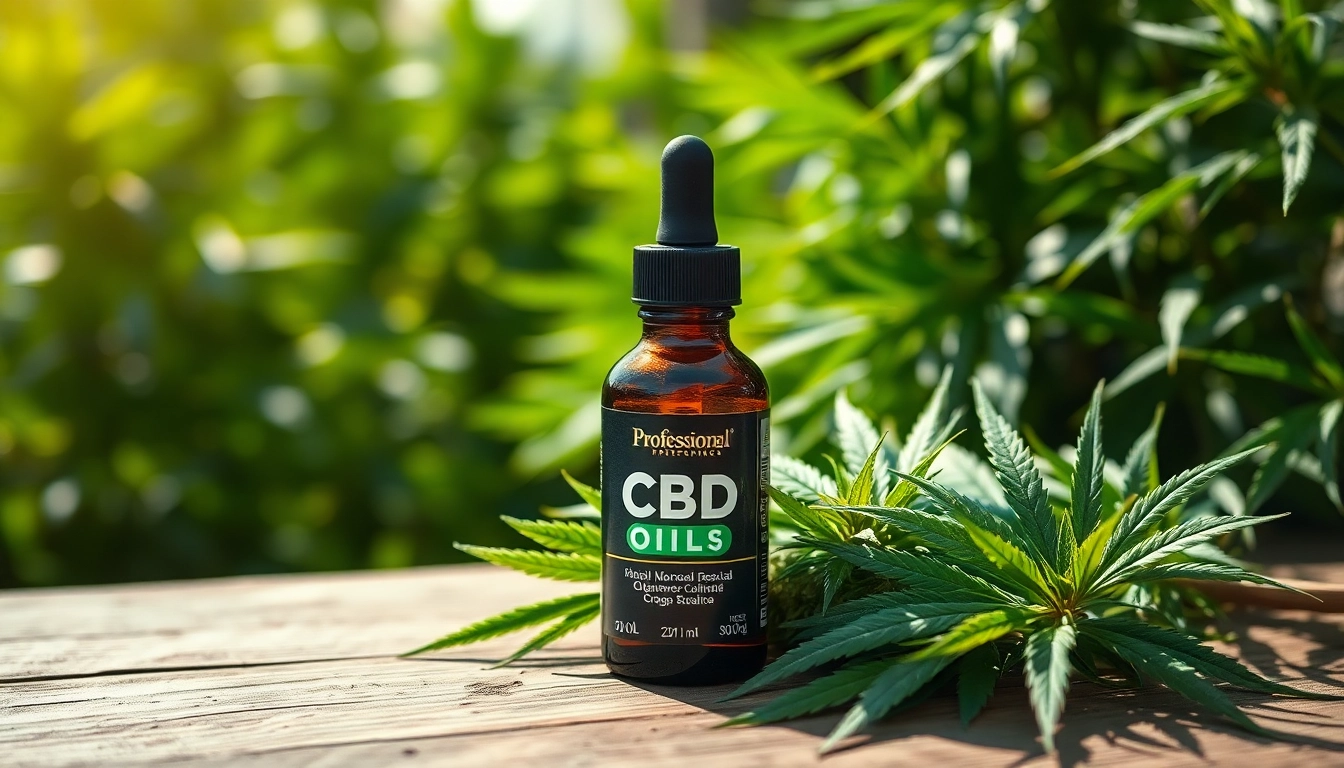
Understanding CBD Oil: What It Is and How It Works
The Basics of CBD Oil and Its Composition
Cannabidiol, commonly referred to as CBD Oil, is one of the many compounds found in the Cannabis sativa plant. Unlike THC (tetrahydrocannabinol), which is known for its psychoactive properties, CBD is non-intoxicating and is often hailed for its various potential therapeutic benefits. Extracted from the hemp variety of cannabis, CBD Oil is continually gaining popularity for its wide array of uses ranging from medicinal applications to enhancing wellness.
CBD is one of over 113 cannabinoids that researchers have identified in cannabis, making up approximately 40% of the plant’s extract. It works by interacting with the body’s endocannabinoid system (ECS), a complex cell-signaling system that affects various bodily functions including mood, memory, pain perception, and immune responses. The ECS has receptors throughout the body, primarily the CB1 and CB2 receptors, which CBD binds to in order to exert its effects. This interaction is what sets the foundation for understanding how CBD Oil can positively influence health outcomes.
How CBD Oil Interacts with the Body
The ECS is a vital contributor to maintaining the body’s homeostasis—a state of balance essential for optimal functioning. By influencing the receptors and pathways within this system, CBD can modulate processes such as inflammation and pain management. Although much is still being studied, current research indicates that CBD may alter the way the brain receptors respond to the naturally occurring endocannabinoids in our system.
For example, CBD may help reduce inflammation by mitigating the production of enzymes that cause it. Similarly, its effect on serotonin receptors suggests a possible pathway for anxiety and mood disorder treatments. Through these interactions, CBD exhibits its therapeutic profile, which can offer potential relief for a variety of ailments, although the extent and nature of these effects can vary from person to person.
Common Uses for CBD Oil in Daily Life
The uses of CBD Oil are diverse and span various aspects of health and wellness. Some of the most common applications include:
- Pain Management: CBD Oil is often utilized to alleviate chronic pain conditions, including arthritis and fibromyalgia.
- Anxiety and Stress Reduction: Many users report experiencing reduced anxiety and improved emotional balance.
- Sleep Improvement: CBD may help regulate sleep cycles, improving both the duration and quality of sleep.
- Anti-inflammatory Agent: Chronic inflammation plays a role in many diseases, and CBD Oil’s anti-inflammatory properties can be particularly beneficial.
- Skin Care: Due to its anti-inflammatory and antioxidant properties, CBD Oil is increasingly being incorporated into skincare products.
Health Benefits of CBD Oil: Evidence and Insights
Exploring Pain Relief and Inflammation Reduction
Pain relief is among the most researched areas when it comes to CBD Oil. Numerous studies suggest that CBD interacts with neurotransmitters and reduces inflammatory responses. One significant advantage of using CBD Oil over traditional pain medications is its lower risk of addiction and fewer side effects.
For individuals suffering from conditions like arthritis, where pain and inflammation are prevalent, CBD Oil can serve as a powerful tool. Regular use has shown promise in reducing pain levels, enhancing physical functionality, and minimizing side effects compared to opioids and other analgesics.
The Role of CBD Oil in Mental Health Management
Mental health represents another prominent area of benefit for CBD Oil. Preliminary research shows promise for CBD’s effectiveness in treating anxiety, PTSD, and depression by its modulation of serotonin receptors within the brain. Users have reported significant improvements in their mental well-being, attributing them to the calming effects of CBD.
Moreover, the anti-anxiety properties of CBD Oil can come into play during high-stress situations, acting to mitigate nervousness and promote a greater sense of calm. For those struggling with insomnia or sleep-related issues often linked to anxiety disorders, CBD’s potential to improve sleep cycles makes it an appealing option.
Potential Benefits for Sleep and Wellness
Quality sleep is foundational to overall health, and CBD Oil has emerged as a natural option for those facing sleep challenges. By interacting with the endocannabinoid system, CBD Oil may regulate sleep patterns and help individuals achieve deeper and more restorative sleep.
Additionally, CBD Oil can complement lifestyle choices such as exercise and diet, enhancing wellness on multiple fronts. Its anti-inflammatory and antioxidant effects contribute to recovery post-exercise, and its mood-enhancing attributes can lead to a more balanced emotional state.
How to Use CBD Oil Safely and Effectively
Recommended Dosage and Administration Methods
Understanding how to effectively use CBD Oil involves knowing the appropriate dosage and method of administration. Dosage can be subjective and influenced by factors such as body weight, metabolism, and the specific wellness goal one aims to achieve.
Commonly, individuals start with a low dose (10-20 mg per day) and gradually increase it until they achieve the desired effects. Oral methods, like tinctures and capsules, are popular due to their ease of use, while other forms like topical applications are effective for localized symptoms. Experimentation is often necessary to find the ideal dosage that works for each user.
Understanding Potential Side Effects of CBD Oil
While CBD Oil is generally well-tolerated, some users may experience minimal side effects, including fatigue, diarrhea, changes in appetite, or drowsiness. It is essential for users to assess their individual sensitivities and consider consulting health professionals, especially for those taking other medications, to prevent adverse interactions.
It is advisable to monitor any changes when beginning CBD to identify personal responses, and allowing the body time to adjust can enhance the experience. Should any side effects become concerning, evaluation with a healthcare provider is recommended.
Consulting with Healthcare Professionals About CBD Oil
Before starting any new supplement, including CBD Oil, consulting with a healthcare professional is essential. This conversation should cover personal health history, existing medical conditions, and current medications.
Healthcare providers can offer insights into potential benefits and risks based on individual circumstances, thus guiding safer and more effective usage. Given the evolving research landscape surrounding cannabis products, professional advice can help navigate this area with confidence.
Choosing the Right CBD Oil: What to Look For
Evaluating Quality and Purity in CBD Oil Products
Not all CBD Oil products are created equal. Evaluating the quality and purity is crucial to ensure safe consumption and desired effects. When shopping for CBD, look for products that provide third-party lab test results verifying the cannabinoid profile and confirming the absence of harmful contaminants such as pesticides, heavy metals, and THC levels.
Brands that prioritize transparency and quality tend to provide clearer sourcing information, extraction methods, and batch testing—elements that help consumers make informed decisions.
Understanding Different Types of CBD Oil: Full-Spectrum vs. Isolate
CBD Oil comes in various formulations, primarily categorized as full-spectrum, broad-spectrum, and CBD isolate. Full-spectrum CBD includes all cannabinoids found in the hemp plant, including trace amounts of THC, which may contribute to the “entourage effect,” where compounds work synergistically for enhanced benefits.
In contrast, broad-spectrum CBD contains multiple cannabinoids but excludes THC, making it suitable for individuals concerned about THC consumption. CBD isolate, the purest form, contains only CBD without any additional cannabinoids or compounds. Each option has its own set of benefits and can cater to different user preferences and needs.
Reading Labels and Certifications for CBD Oil
Reading labels thoroughly is essential to ensure product selection aligns with expectations. Labels should clearly indicate the type of CBD (isolate or full-spectrum), concentration levels, and serving size recommendations. Additionally, certifications of analysis (COAs) from reputable labs should be available to verify the contents of the product.
Look out for terms like organic or non-GMO, which can indicate a higher quality product. Understanding the label will help users choose a CBD Oil that fits their requirements while avoiding low-quality products that may not deliver the promised benefits.
The Future of CBD Oil: Trends and Research Directions
Emerging Studies on CBD Oil Benefits
Research on CBD Oil is continuously expanding, exploring potential applications in managing neurodegenerative disorders, metabolic syndrome, and even certain types of cancers. Current studies are investigating CBD’s unique properties that affect inflammation, cellular health, and neurological function, paving the way for innovative therapeutic approaches.
Additionally, studies that focus on specific populations, such as children with epilepsy or individuals with treatment-resistant anxiety, are likely to provide insights into the efficacy and safety of CBD Oil in diverse settings. As more research emerges, guidance for both medical applications and consumer use is expected to evolve.
Regulatory Landscape for CBD Oil Products
The regulatory environment for CBD Oil varies greatly between regions but is gradually becoming more defined, which can impact product quality, availability, and consumer safety. Robust regulation can ensure that products meet established safety standards and contain accurate labeling of cannabinoid content.
As governments engage in reviewing and establishing comprehensive guidelines surrounding CBD products, consumers can anticipate increased reliability in relation to product claims and health benefits associated with CBD Oil. Navigating the evolving regulations will be crucial for both consumers and producers as they adapt to the changing landscape.
Consumer Trends in CBD Oil Demand and Use
Growing interest and awareness regarding the potential benefits of CBD Oil are evident in changing consumer demographics and preferences. As understanding expands, many individuals now seek CBD for various reasons beyond purely recreational or therapeutic use, including stress relief and general wellness.
Moreover, advancements in product innovation—such as CBD-infused edibles, beverages, skincare products, and pet wellness items—indicate robust consumer demand across multiple sectors. These trends signal a shift towards increased acceptance and mainstream integration of CBD Oil as part of a holistic health approach.