

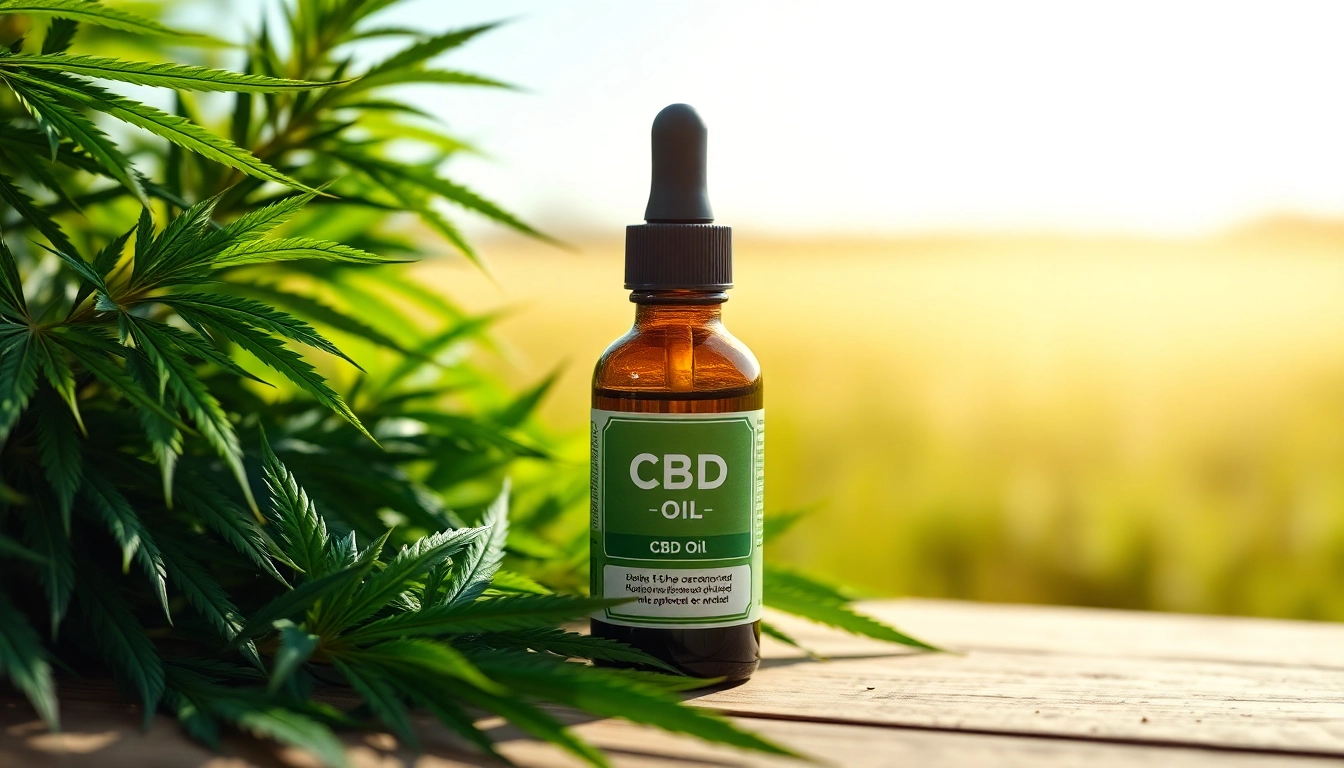
Understanding CBD Oil: Origins and Composition
What is CBD Oil?
Cannabidiol, commonly known as CBD, is a compound derived from the cannabis plant. It’s one of over a hundred natural cannabinoids found in cannabis, which includes tetrahydrocannabinol (THC), the compound primarily responsible for the psychoactive effects associated with cannabis use. Unlike THC, CBD does not produce a “high” effect, making it an appealing option for those seeking relief from various conditions without the intoxicating effects. CBD Oil is typically extracted from the flowers, leaves, and stalks of hemp plants and is often diluted in a carrier oil, like hemp seed oil or coconut oil, to make it suitable for consumption.
The Sources of CBD Oil
CBD can be sourced from two main varieties of the cannabis plant: marijuana and hemp. Hemp is defined as cannabis plants that contain less than 0.3% THC. The extraction processes for CBD oil vary but generally involve methods like CO2 extraction, ethanol extraction, or olive oil extraction, which preserve the potency and purity of CBD. These processes ensure that the final product retains beneficial compounds like flavonoids, terpenes, and other cannabinoids, which contribute to the entourage effect—where all components work synergistically to enhance the therapeutic effects of CBD.
Cannabinoids and Their Effects
Cannabinoids interact with the endocannabinoid system (ECS) in the human body, which plays a crucial role in regulating various physiological processes such as mood, memory, sleep, and immune response. The ECS consists of endocannabinoids produced naturally by the body and cannabinoid receptors, primarily CB1 and CB2. CBD interacts mainly with the CB2 receptors, which are primarily found in the immune system, offering potential therapeutic benefits without the psychoactive effects associated with THC. This unique interaction is what sets CBD apart and underpins its growing popularity in health and wellness.
Health Benefits of CBD Oil
Potential Relief from Chronic Pain
One of the most researched applications of CBD oil is its potential to alleviate chronic pain. Studies have indicated that CBD may be effective in reducing pain and inflammation by interacting with the endocannabinoid system, thereby altering the pain perception pathways in the brain. For individuals suffering from conditions like arthritis, fibromyalgia, or even cancer-related pain, CBD has emerged as a promising alternative to traditional pain relief methods. By potentially offering pain relief without the side effects often associated with opioids, CBD could revolutionize how chronic pain is managed.
CBD Oil and Anxiety Management
Another significant area of interest in CBD oil research is its impact on anxiety. While the precise mechanism is still being studied, preliminary evidence suggests that CBD may help reduce anxiety by altering serotonin signals in the brain, similar to how some anti-anxiety medications work. Researchers have observed positive responses in individuals with generalized anxiety disorder, social anxiety disorder, and post-traumatic stress disorder (PTSD). Unlike conventional anti-anxiety treatments, which may take time to show effects or come with unwanted side effects, CBD’s properties may offer a quicker and calmer alternative for managing anxiety symptoms.
Use of CBD Oil in Health Conditions
Beyond pain relief and anxiety control, CBD oil has been explored for various health conditions, including epilepsy, inflammation, acne, and even neurodegenerative diseases such as Alzheimer’s and Parkinson’s. A notable application is in pediatric epilepsy, where CBD has been shown to reduce the frequency of seizures in certain forms of epilepsy. Significant studies have led to FDA approval of CBD in the form of Epidiolex, a medication to treat seizures associated with two rare forms of epilepsy. This endorsement underscores the potential of CBD oil in medical treatments, encouraging further research into its vast applications.
How to Choose Quality CBD Oil
Key Labels and Certifications to Look For
When selecting CBD oil, it’s crucial to look for certain labels and certifications that indicate the quality and safety of the product. One essential aspect is whether the CBD oil is labeled as ‘full-spectrum’, ‘broad-spectrum’, or ‘CBD isolate’. Full-spectrum CBD oil contains all cannabinoids found in the cannabis plant, including trace amounts of THC, while broad-spectrum contains all cannabinoids except THC. CBD isolate is pure CBD without any other cannabinoids. Additionally, certifications such as USDA Organic, GMP (Good Manufacturing Practices), and third-party lab testing ensure that the product is safe, potent, and free from harmful contaminants.
Understanding Concentrations and Types of CBD Oil
CBD oil is available in various concentrations, typically expressed in milligrams (mg) per milliliter (ml). When choosing a product, consumers should consider their own needs, tolerance, and desired effects. It’s also helpful to start with a lower dosage and gradually increase it as needed. Different types of CBD oil formulations exist, including tinctures, capsules, edibles, and topical applications. Each form has unique benefits, and individuals may prefer one method over another depending on their lifestyle and conditions.
Third-Party Testing: Why It Matters
Third-party testing is crucial for ensuring the safety and efficacy of CBD oil. Reputable brands often send their products to independent laboratories for testing, and they provide the results upon request. These tests typically assess the potency of the CBD extract and check for the presence of harmful substances like pesticides, heavy metals, and solvents. Transparency in this testing process builds consumer trust, allowing individuals to make informed choices about their CBD oil purchases.
Methods of CBD Oil Consumption
Topical vs. Ingestible CBD Oil
CBD oil can be consumed in various ways, the two primary categories being topical and ingestible forms. Topical CBD products are applied directly to the skin and are often formulated to target localized issues such as muscle pain or inflammation. Ingestible options include oils, capsules, and edibles, each having different onset times and effects. For example, ingested CBD may take longer to produce effects compared to topicals, as it must be metabolized through the digestive system. Understanding the differences in these methods can help users select the most appropriate form for their needs.
Dosage Recommendations and Guidelines
Determining the correct dosage of CBD oil can be challenging as it varies based on individual factors, including body weight, metabolism, and the severity of the condition being treated. Most studies suggest starting with a low dose, typically between 5-10 mg, and gradually increasing it until the desired effects are achieved. It’s advisable for users to keep a diary of their CBD intake and effects to help identify the optimal dosage for their personal needs. Consulting with a healthcare professional experienced in cannabinoid therapies can also provide personalized guidance.
Combining CBD Oil with Other Supplements
Many individuals are interested in combining CBD oil with other dietary supplements or medications for enhanced benefits. While some supplements may complement the effects of CBD, caution is advised, especially when it comes to medications. Potential interactions can occur, especially with drugs that have a high-fat content or those metabolized by similar pathways in the liver. Always consult with a healthcare provider before mixing CBD oil with other supplements or drugs to ensure safety and efficacy.
Legal Aspects and Considerations for CBD Oil
Current Legislation on CBD Oil in the U.S.
The legal landscape surrounding CBD oil in the United States has evolved significantly over the past few years, particularly after the passage of the 2018 Farm Bill, which legalized the commercial production of hemp-derived CBD products at the federal level. However, state laws can still vary widely, with some states imposing more stringent regulations on the sale and use of CBD products. Consumers must be aware of their state’s specific laws regarding CBD oil to ensure compliance and avoid legal issues.
Understanding THC Levels in CBD Oil
As mentioned earlier, CBD oil derived from hemp can contain trace amounts of THC (up to 0.3%), which is legally permissible. This low level of THC is not enough to produce psychoactive effects. However, consumers should always check product labels and lab reports to understand the THC content in their chosen CBD oil, particularly if they are subject to drug testing or have concerns about THC sensitivity.
Future Trends in CBD Oil Regulation
As public interest and research into CBD continues to grow, it’s likely that regulatory frameworks will also evolve. Navigating the complexities of CBD regulation can be challenging, with ongoing advocacy for clearer guidelines from bodies like the FDA. Potential future trends may include increased oversight of manufacturing standards, labeling requirements, and the establishment of more defined health claims associated with CBD products. Staying informed about these developments will be crucial for consumers and businesses within the CBD market.