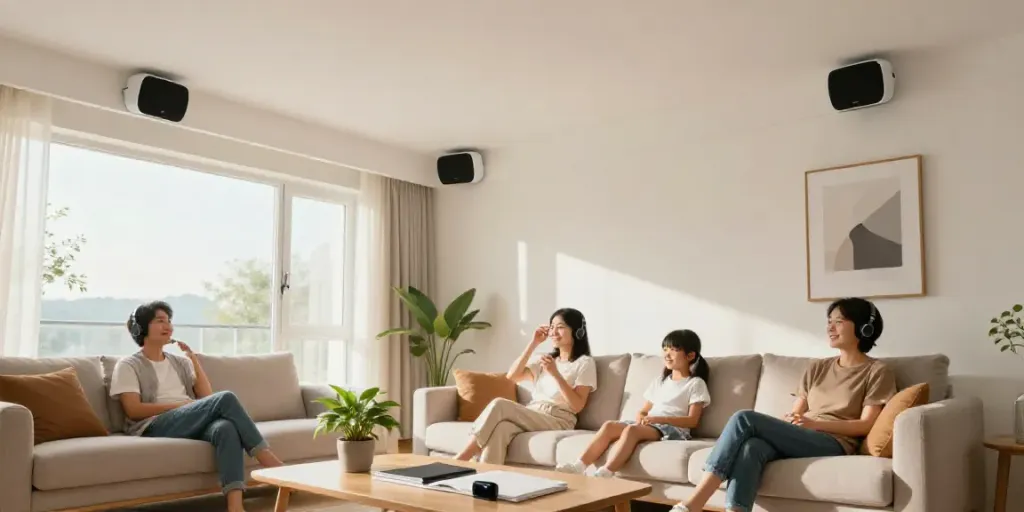
Understanding Ceiling Speakers: What They Are and How They Work
Ceiling speakers, known as اسپیکر سقفی in Persian, have become an essential component in modern audio setups, seamlessly blending high-quality sound with aesthetic design. These speakers are specially crafted to be installed directly into the ceiling, allowing for a clean and unobtrusive audio solution. With their unique installation method, they are ideal for various settings, including homes, offices, and commercial spaces, providing consistent sound distribution without occupying valuable floor space. When exploring options, اسپیکر سقفی provides comprehensive insights into selecting the right model for your specific needs.
Definition of اسپیکر سقفی and Their Purpose
Ceiling speakers are designed to deliver audio directly from the ceiling, facilitating an immersive listening experience while maintaining the room's aesthetics. Their primary purpose is to provide background music, announcements, or sound effects in spaces where conventional speakers might detract from the design. This makes them particularly useful in residential and commercial applications where space-saving and sound quality are paramount.
How Ceiling Speakers Function: The Technology Behind the Sound
Ceiling speakers operate using various audio technologies, typically driven by a combination of woofers and tweeters. These components work together to reproduce a full range of frequencies. The design often includes a built-in transformer for easier power management, allowing for the use of low-impedance audio signals suitable for various audio systems, including integrated sound systems and home theaters.
Benefits of Using Ceiling Speakers in Various Spaces
- Space Efficiency: Ceiling speakers occupy no floor space, making them ideal for minimalistic designs.
- Superior Sound Distribution: Their installation in ceilings allows for broader sound dispersion, enhancing audio quality throughout the room.
- Aesthetic Appeal: These speakers can blend seamlessly with the ceiling, creating a clean look without visible wires or equipment.
- Versatile Applications: Suitable for various environments such as home theaters, offices, retail spaces, and public venues.
Choosing the Right Type of اسپیکر سقفی for Your Needs
Different Types of Ceiling Speakers: Built-in vs. Surface-Mounted
Choosing the right type of ceiling speaker is crucial for achieving the desired sound quality and aesthetic. There are two primary types to consider: built-in (or recessed) and surface-mounted speakers. Built-in speakers are installed flush with the ceiling, making them virtually invisible and ideal for a streamlined look. Surface-mounted speakers, while more noticeable, offer flexibility in terms of placement and directionality, allowing for targeted sound.
Factors to Consider When Selecting Ceiling Speakers
When evaluating ceiling speakers, consider the following factors:
- Sound Quality: Look for speakers with a wide frequency response to ensure balanced sound.
- Power Rating: Ensure the speakers can handle the power output of your audio system.
- Size and Design: Choose a size that fits your ceiling space and design aesthetic.
- Installation Requirements: Some speakers may require professional installation, while others are designed for easy DIY setups.
Comparative Analysis of Popular Brands and Models
Brands such as JBL, Bose, and Sonos offer a range of ceiling speaker models, each with distinct features. For example, JBL's ceiling speakers are known for high sound fidelity and robustness, while Bose emphasizes design and integration with smart home systems. Comparing specifications, reviews, and user experiences can help in making an informed decision.
Installation Guide: Best Practices for Ceiling Speaker Setup
Tools and Materials Required for Installation
Installing ceiling speakers requires basic tools and materials, including a stud finder, drill, wire strippers, and screws. Additionally, having speaker wires and a suitable amplifier will ensure a successful setup. Understanding your ceiling type—whether it's drywall, plaster, or concrete—can dictate the specific tools and methods required.
Step-by-Step Installation Process: From Planning to Execution
- Planning: Determine the optimal locations for your speakers for the best sound distribution.
- Prepping the Ceiling: Use a stud finder to locate beams or joists and ensure that the area is clear.
- Wiring: Run speaker wires from the amplifier to each speaker location, ensuring compliance with local electrical codes.
- Mounting the Speakers: Cut appropriate holes for the speakers and follow specific instructions for your model.
- Connecting: Connect the wires to the speakers and test the system to ensure everything is functioning properly.
Common Mistakes to Avoid During Installation
Avoiding pitfalls during installation can save time and ensure optimal performance. Common mistakes include:
- Improper placement that leads to subpar sound quality.
- Failing to secure the speaker properly, which can lead to rattling or damage.
- Neglecting to follow manufacturer instructions, which can void warranties.
Enhancing Sound Quality: Tips for Optimal Performance
Adjusting Speaker Positioning for Best Sound Distribution
Positioning your ceiling speakers correctly can dramatically influence sound quality. Aim to place speakers equidistant from listening areas and avoid corners where sound can gather. Making minor adjustments can help achieve a more balanced audio experience.
Using Acoustic Treatments to Improve Room Sound
Acoustic treatments, such as sound-absorbing panels, can enhance the effectiveness of ceiling speakers. These treatments reduce echo and reverberation, allowing for clearer sound reproduction. Incorporating area rugs, curtains, and soft furnishings can also help improve overall sound quality.
Integrating Ceiling Speakers with Home Theater Systems
Integrating ceiling speakers into a home theater setup can elevate the audio experience. By combining them with a surround sound system, you can create a more immersive environment. Ensure your receiver supports multi-channel audio to take full advantage of your ceiling speakers.
Future Trends in Ceiling Speaker Technology for 2026 and Beyond
The Rise of Smart اسپیکر سقفی: Integrating AI and Smart Home Features
The emergence of smart technology is transforming ceiling speakers, allowing for advanced features such as voice control, streaming capabilities, and integration with smart home ecosystems. This trend is expected to grow, making home automation more seamless and user-friendly.
Innovations in Design and Functionality of Ceiling Speakers
Future designs will likely focus on enhanced aesthetics, with more options for customizable finishes and shapes. Additionally, improvements in wireless technology will allow for easier installations and connectivity, eliminating the need for cumbersome wiring.
Predictions for the Audio Technology Market in 2026
As the audio technology market evolves, we anticipate a rise in demand for multifunctional audio solutions. This includes systems that not only provide high-quality sound but also incorporate features for home automation, environmental consciousness, and user interactivity.
What types of spaces are best suited for اسپیکر سقفی?
Ceiling speakers are incredibly versatile and suitable for various environments. They are particularly effective in residential areas like living rooms and kitchens, as well as in commercial settings such as shops, hotels, and restaurants, where unobtrusive audio is desired.
How do I maintain my ceiling speakers for longevity?
Regular maintenance is essential for keeping ceiling speakers in optimal condition. This includes dusting the speaker grilles, checking connections, and ensuring no moisture or debris is obstructing the sound pathways.
Can I connect ceiling speakers to wireless systems?
Yes, many modern ceiling speakers can be connected to wireless systems, allowing for greater flexibility in audio setups. Wireless receivers and amplifiers facilitate streaming from various devices, enhancing your audio experience without the hassle of wires.
What are the average costs associated with ceiling speaker installation?
The costs for ceiling speaker installation can vary significantly based on factors like the number of speakers, the complexity of the installation, and any additional acoustic treatments. On average, expect to spend between $100 to $300 per speaker for professional installation.
Are ceiling speakers suitable for outdoor use?
While standard ceiling speakers are designed for indoor use, there are models specifically engineered for outdoor applications. These outdoor ceiling speakers typically feature weather-resistant materials to withstand the elements, making them ideal for patios and open-air spaces.